Floral Elements Ornament
As a designer and embroidery product reviewer, I often find myself evaluating new machine embroidery designs for real-world use. The Floral Elements Ornament caught my attention with its elegant, versatile style and the promise of high-quality digital files. But what does it actually look like in practice? How does it perform on different fabrics and projects? Let’s walk through a real-life scenario to see how this design fits into the world of custom apparel, handmade products, and commercial embroidery.
A First Impression: Timeless Elegance
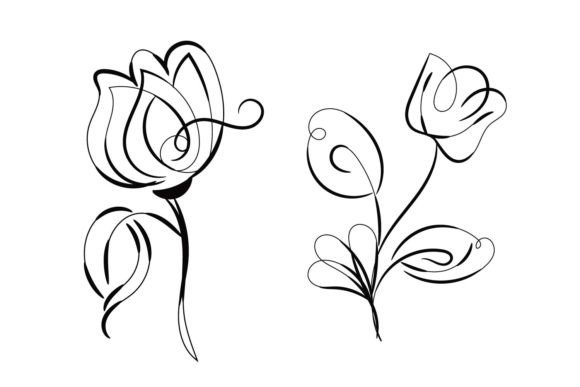
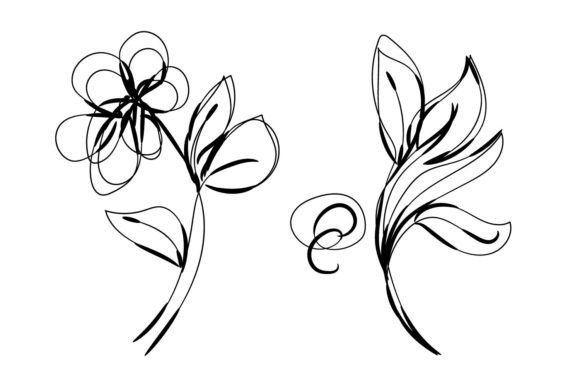
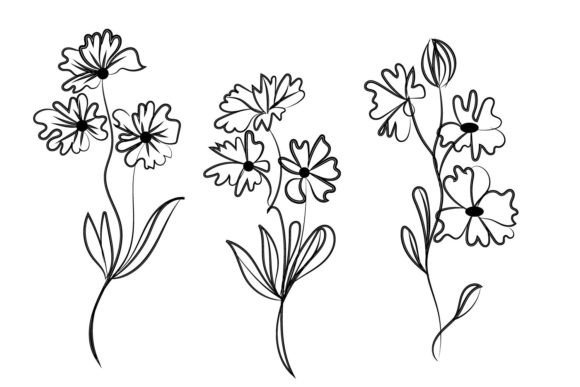
The Floral Elements Ornament has a soft, delicate aesthetic that leans toward classic floral motifs. The layout is balanced, with a central focal point surrounded by smaller, intricate details. This makes it ideal for projects that require a touch of sophistication without being overly complex. The design feels well-suited for baby items, holiday gifts, or personalized home decor. It doesn’t scream “trendy,” but rather exudes a calm, refined charm that can work across multiple seasons and occasions.
From a technical standpoint, the design appears to be clean and well-structured. The lines are sharp, and the spacing between elements allows for good visibility when stitched. This is especially important for applique designs or those requiring satin stitch fills, where clarity and precision matter.
Real-Life Use: Custom Tote Bag Project
I recently worked on a custom tote bag project for a client who wanted something unique yet timeless. The Floral Elements Ornament fit perfectly as the main design. I used it on a cotton canvas tote, which is a common fabric for such projects. The design looked great—neither too busy nor too simple—and added a personal touch that customers would appreciate.
For this project, I tested the design on scrap fabric first. The stitch density was manageable, and the design didn’t cause any issues with the hoop size. I used a medium stabilizer to ensure the fabric stayed flat during stitching, which helped maintain the integrity of the small details.
One thing to note is that the design works best on light to medium-colored fabrics. On dark backgrounds, the contrast might not be as strong, so careful selection of thread colors is essential. For example, using a light gray or white thread on a black fabric could make the design pop without looking garish.
Where to Use With Caution
While the Floral Elements Ornament is versatile, there are certain situations where it might not perform as well. If you're working with small hoop sizes, the design might need to be split into sections, which could complicate the process. Similarly, on textured or stretchy fabrics, the design might not lie flat as intended, leading to potential puckering or distortion.
Thin or lightweight fabrics can also be a challenge. Without proper stabilizer, the stitches may not hold up well, especially if the design includes dense fill areas. For this reason, I always recommend testing the design on the actual fabric you plan to use before committing to a full project.
When it comes to curved surfaces like caps or hats, the design might require some adjustment. The curves can affect how the stitches lay, so it’s worth experimenting with different stabilizers or even resizing the design slightly to accommodate the shape.
Impact on Visual Appeal and Customer Perception
The right embroidery design can elevate a handmade product from ordinary to exceptional. The Floral Elements Ornament adds a level of craftsmanship that customers recognize and appreciate. Whether it's an embroidered patch for a jacket, a baby onesie, or a holiday ornament, the design contributes to a polished, professional look.
From a business perspective, using this design can help build brand consistency. If you’re running a craft business or selling on Etsy, having a signature style helps customers remember your work. The Floral Elements Ornament could serve as a staple in your design library, offering flexibility for various products while maintaining a cohesive aesthetic.
It also plays a role in customer trust. When buyers see a well-executed embroidery design, they’re more likely to believe in the quality of your work. This is especially true for personalized gifts or custom apparel, where the design is a key part of the final product.
Practical Designer Notes
Before using any embroidery file, I always recommend doing a few tests. Start with a scrap piece of fabric that matches your intended project. Check the stitch density and ensure the design isn’t too dense for your machine. If it is, consider simplifying the design or adjusting the stitch count.
Also, pay close attention to the thread colors. Even the best design can fall flat if the colors don’t match the fabric or the overall theme. Testing in black and white mockups can help you see how the design looks without color distractions.
Another important step is to confirm whether the design is suitable for both personal and commercial use. Some digital embroidery files come with restrictions, so it’s crucial to check the licensing terms before selling finished items or digital products.
If you’re using the design for printable mockups or digital product previews, make sure the file format is compatible with your software. The availability of EPS, SVG, and PNG files gives you flexibility, but it’s still worth verifying that your workflow supports these formats.
Conclusion: A Versatile Addition to Your Design Library
The Floral Elements Ornament is a solid choice for designers and crafters looking for a reliable, elegant embroidery design. It works well in a variety of projects, from custom apparel to personalized gifts, and offers a balance between detail and simplicity. While it requires some care in certain applications, its versatility and visual appeal make it a valuable asset for any craft business or handmade shop.